Лучшие способы, где проверить историю бонусов Pin Up Если вы хотите узнать, как проверить историю бонусов в онлайн-казино Pin Up, то вы попали по адресу. В этой статье мы расскажем о самых эффективных методах, как получить доступ к вашей бонусной истории. Проверка истории бонусов — это важный аспект игры, позволяющий…
Лучшие способы, где проверить историю бонусов Pin Up
Лучшие способы, где проверить историю бонусов Pin Up Если вы хотите узнать, как проверить историю бонусов в онлайн-казино Pin Up, то вы попали по адресу. В этой статье мы расскажем о самых эффективных методах, как получить доступ к вашей бонусной истории. Проверка истории бонусов — это важный аспект игры, позволяющий…
Психология ставок: как 1xbet играть без стресса
Психология ставок: как 1xbet играть без стресса Психология ставок — это важный аспект, позволяющий игрокам догнать успех и избежать ненужного стресса при игре на платформах, таких как 1xbet. Чтобы делать ставки с максимальной выгодой и минимальным нервным напряжением, нужно понимать свои эмоции, управлять рисками и развивать дисциплину. В этой статье…
Mostbet Coin anlayışı: Müddəti bitir, əgər istifadə olunmazsa
Mostbet Coin anlayışı: Müddəti bitir, əgər istifadə olunmazsa Mostbet Coin, Mostbet platformasında daha sərfəli və sürətli oyun təcrübəsi üçün istifadə edilən bir kriptovalyutadır. Bu yazıda, Mostbet Coin’in istifadəsi, müddəti bitməsi və istifadə edilmədiyi zaman nələrin baş verəcəyini müzakirə edəcəyik. Bu, həm istifadəçilər üçün vacib məlumatlar təqdim edəcək, həm də Mostbet…
Textile makers cheer Archroma’s non-toxic dye
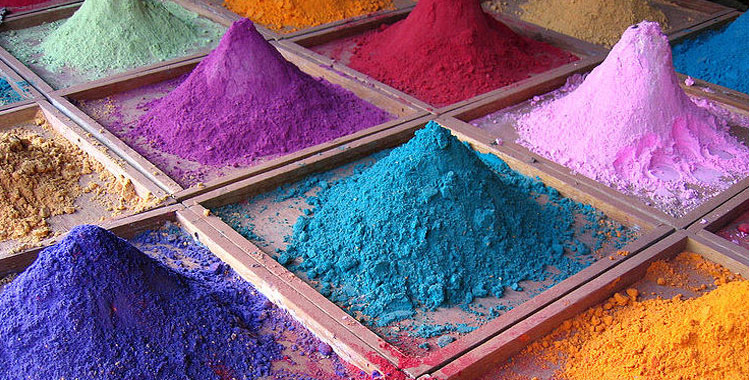
supraslot login KARACHI: Swiss chemical firm Archroma kick-started production of a new non-toxic dye – known as Aniline-free indigo – popularly used in denim, giving a hope to Pakistani manufacturers who are reliant on import of the key raw material for over $13 billion textile exports industry. Archroma, a global…
Electrochemical Indigo Machine Debuts In Pakistan

Supraslot Login supraslot situs supraslot alternatif Link Partner : PuriSlot Link Link Partner : PuriSlot Anchor Text KARACHI – Technical Color Solution, which supplies a range of technologies to the textile sector has teamed up with French textile machinery supplier Sedo Engineering to produce pre-reduced liquid indigo dyes using an…